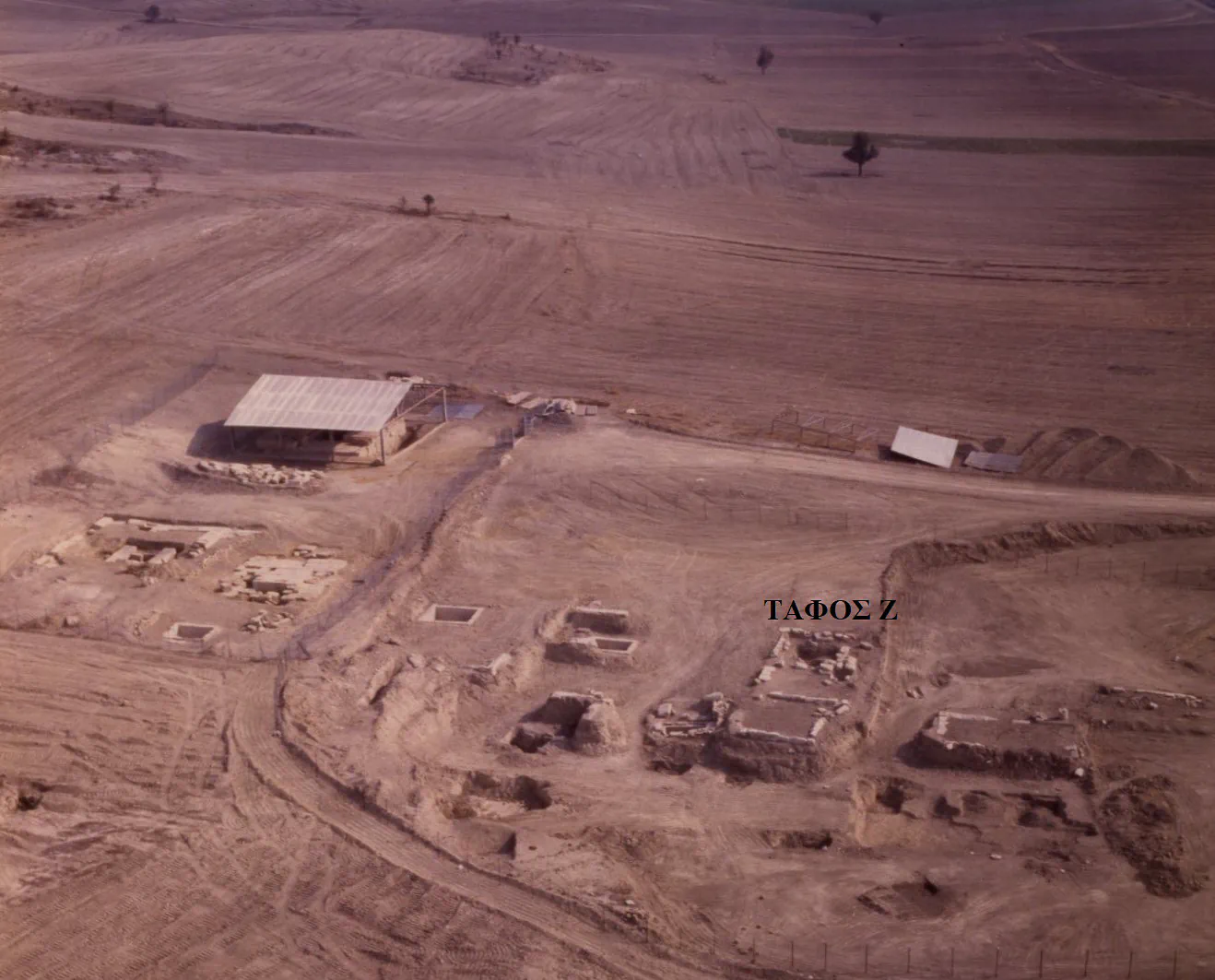
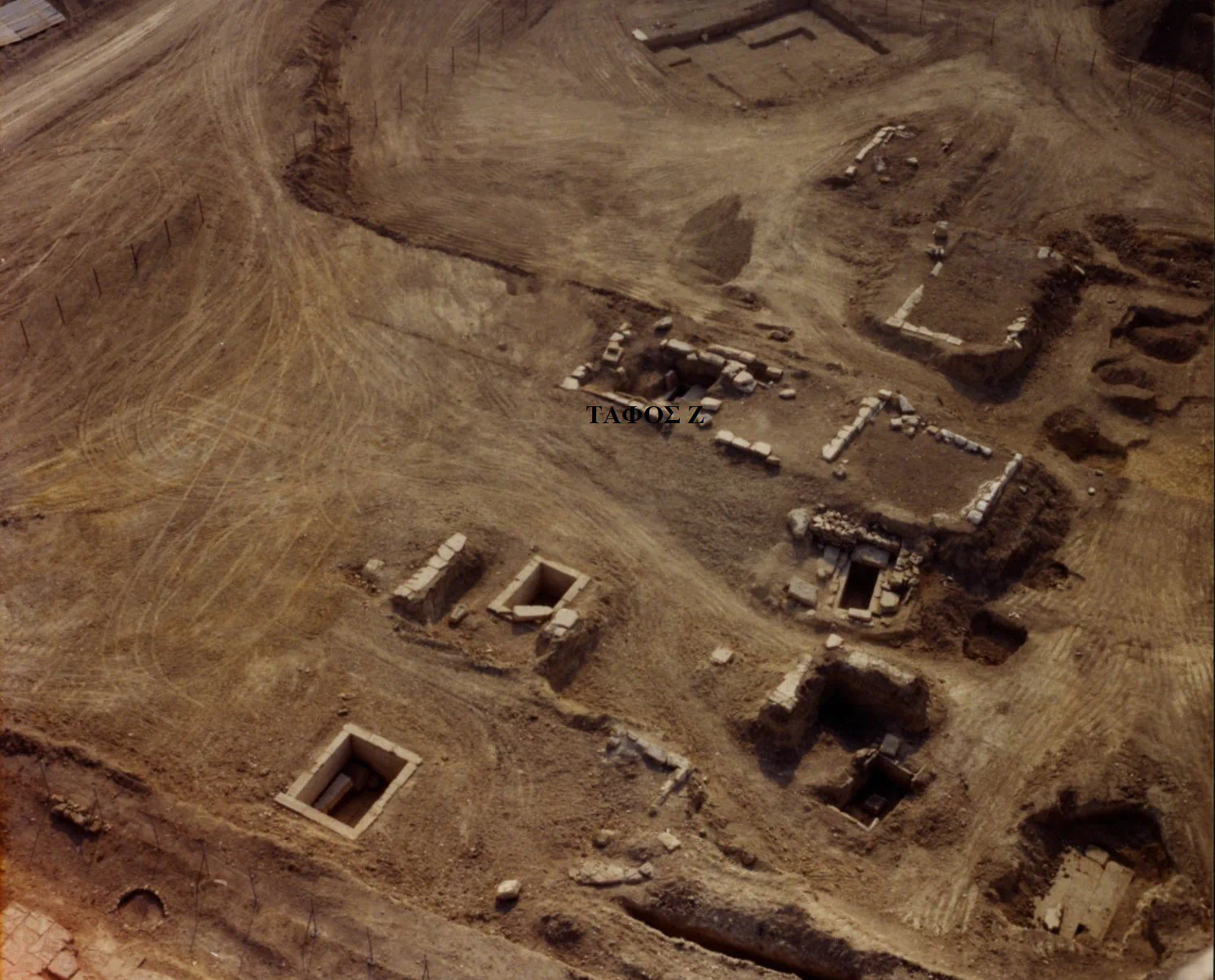
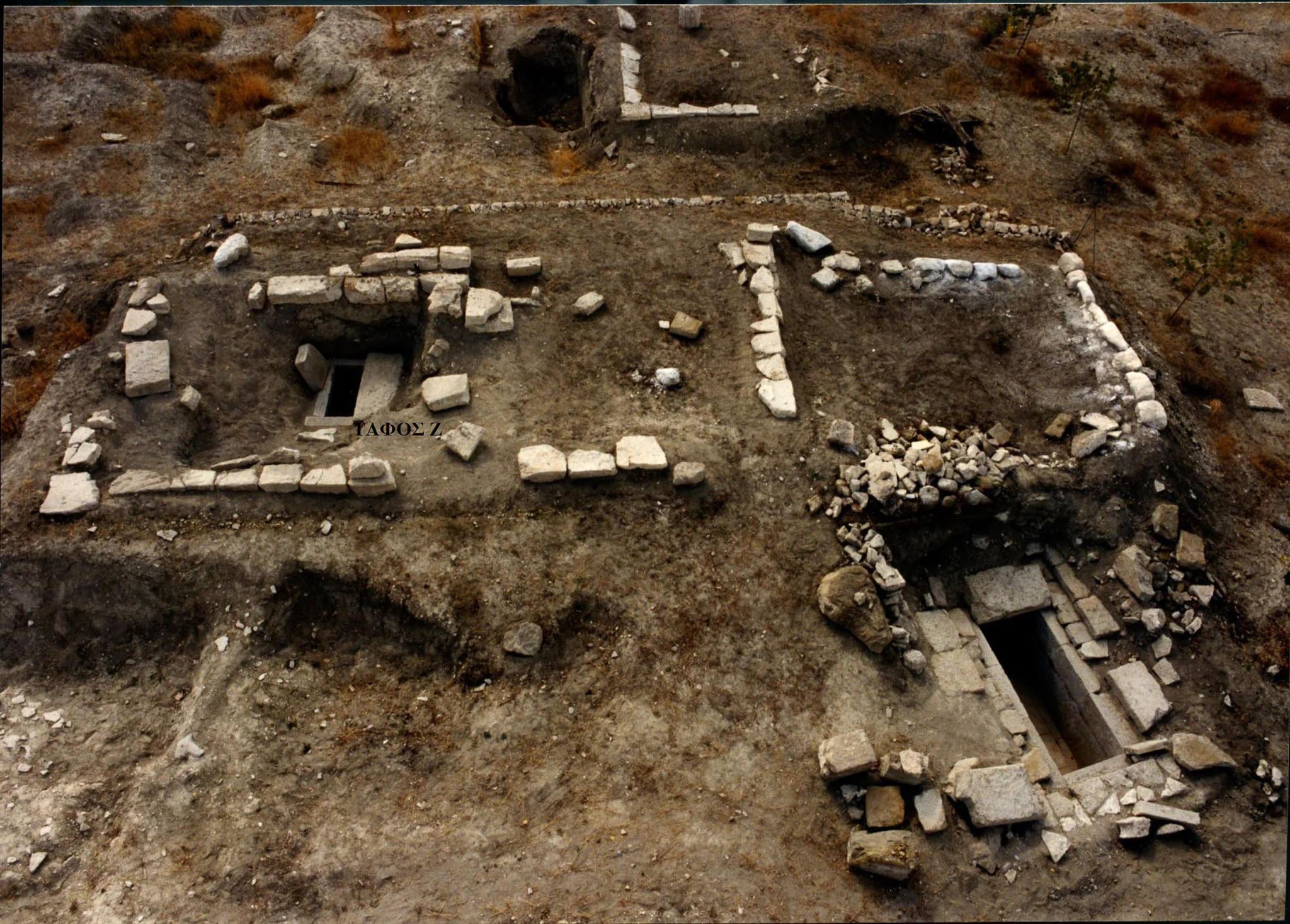
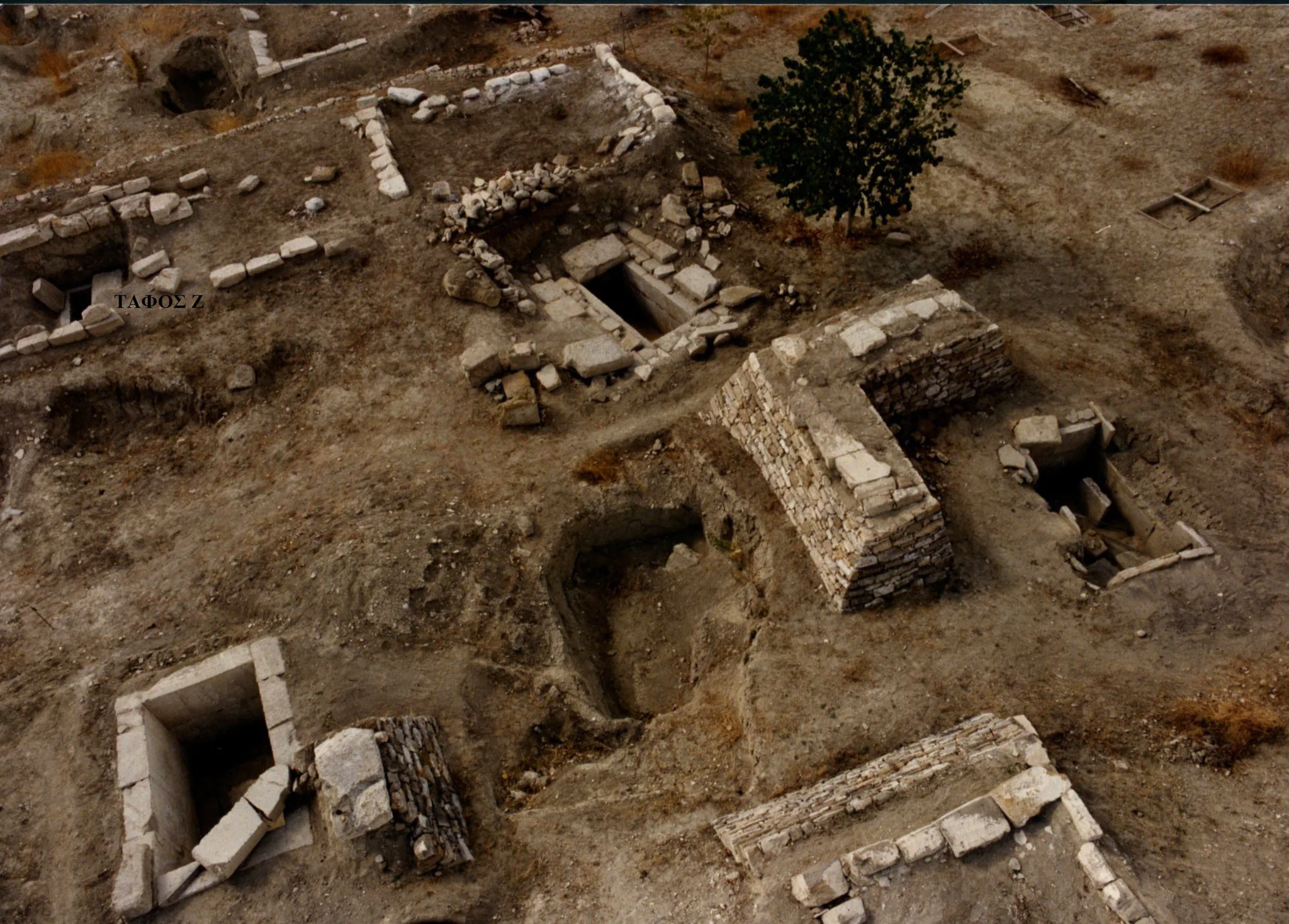
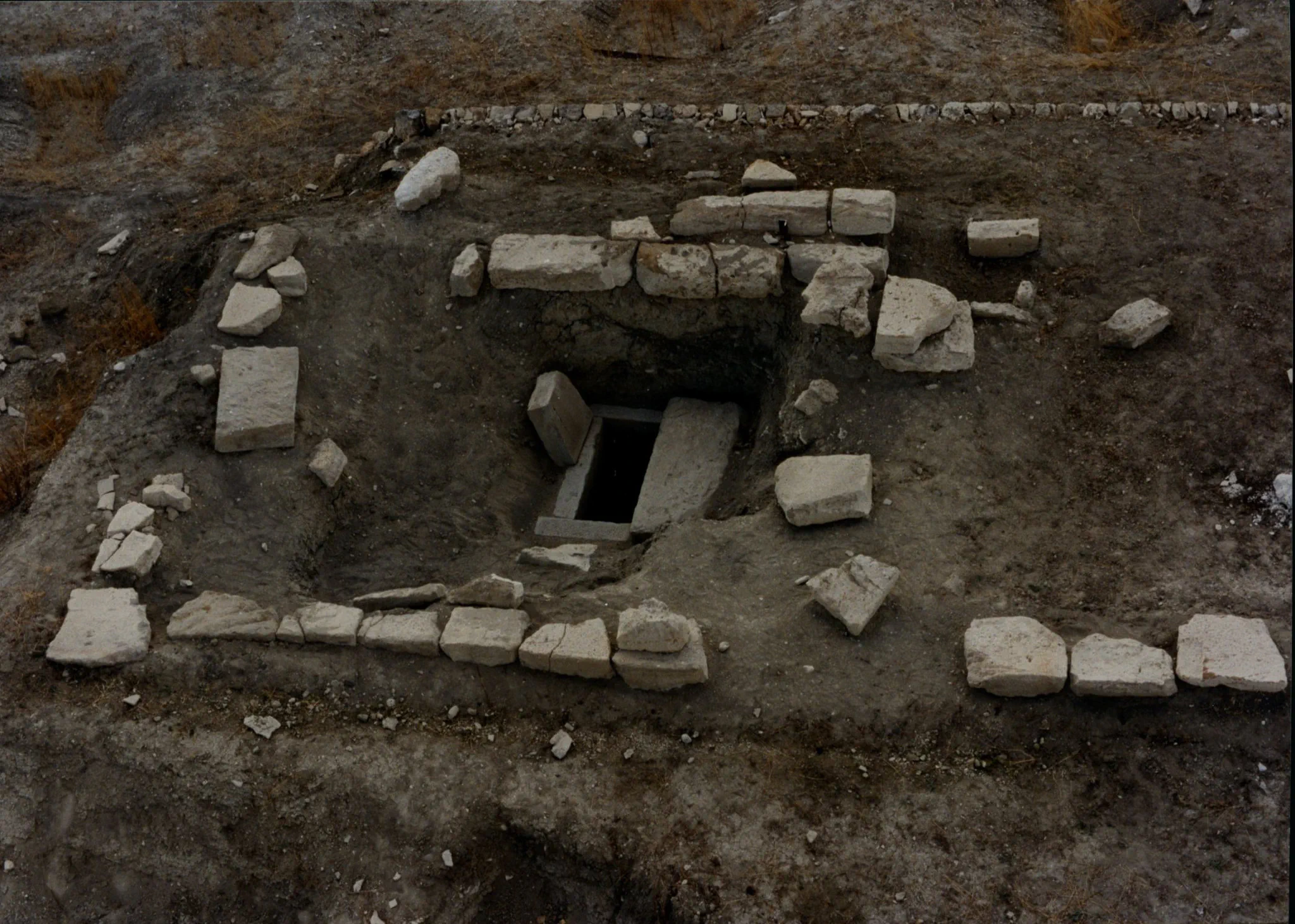
Tomb Z is the smallest of the built cist graves. It measures 1.37 m in length, 1.24 m in width, and 1.23 m in depth. It is covered by two monoliths placed along its lengthwise axis, one of which remains in its original position.
Tomb Z is enclosed by a large peribolos (enclosure) measuring 7.10 x 6.05 m, situated on a significantly higher level. Most of the enclosure is preserved with a single row of stones, while the southwestern side retains two rows.
Inside the tomb, a marble head of a maiden was discovered, dating to around 510 BCE. Within and around the tomb, clay female figurines, a black-figure lekythos, gold and silver jewelry, and other objects were recovered.
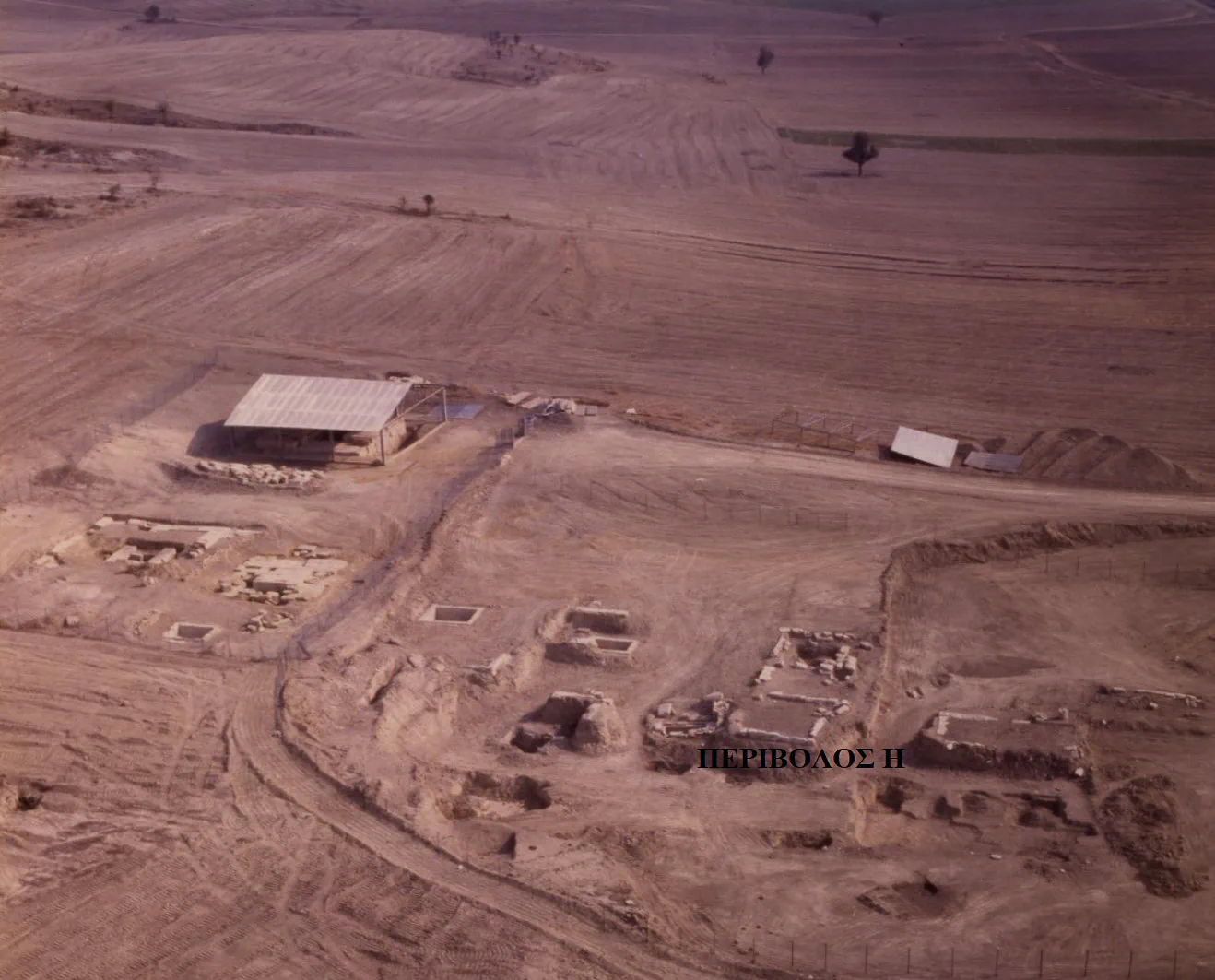
Adjacent to the enclosure of Tomb Z, sharing a common side, the northern Enclosure H was revealed. It is preserved in fragments and enclosed pit burials, which were found disturbed. Various clay and metal objects, likely grave goods, were collected from the area.
All of the findings are dated to the Archaic period.