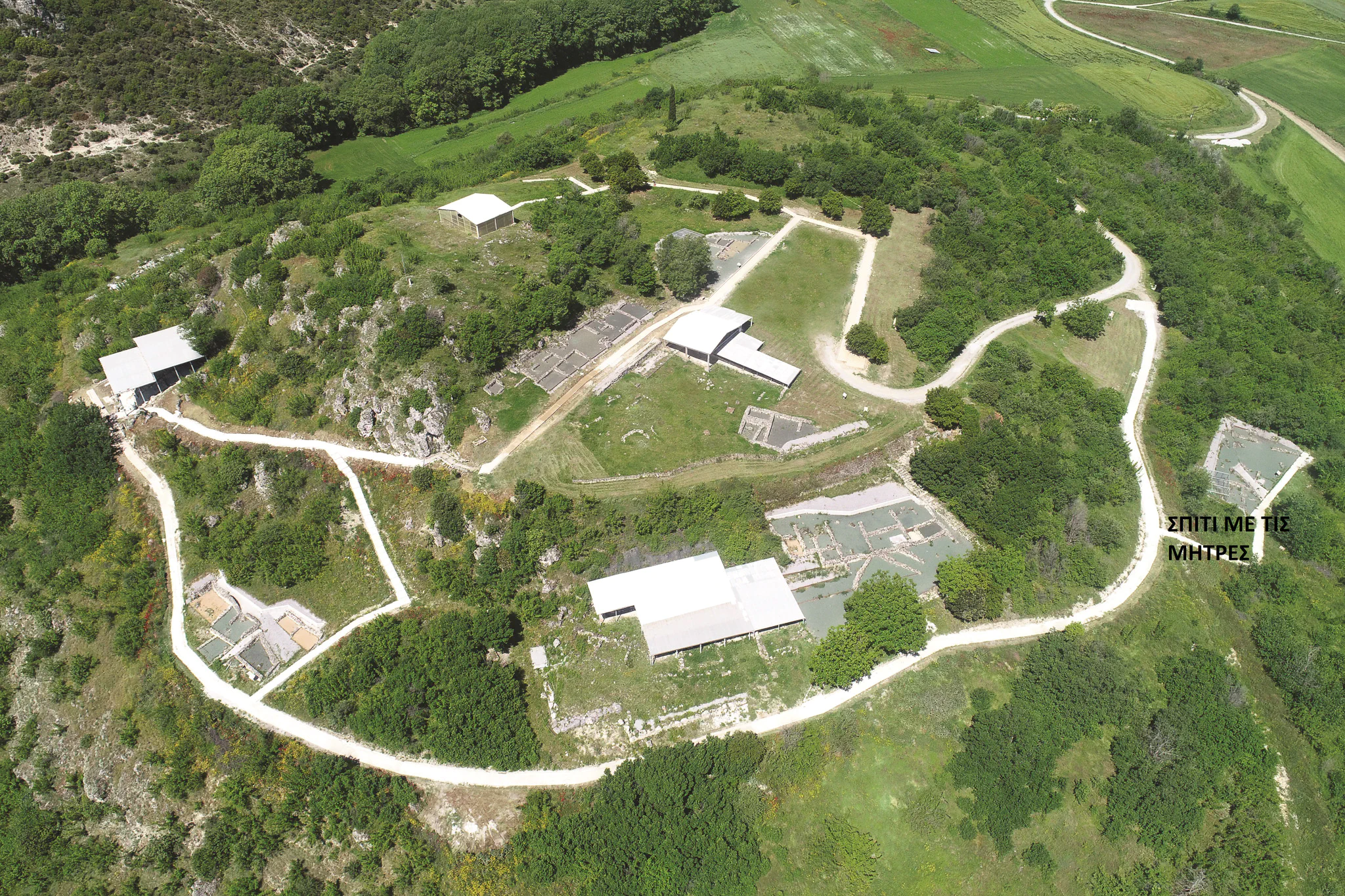
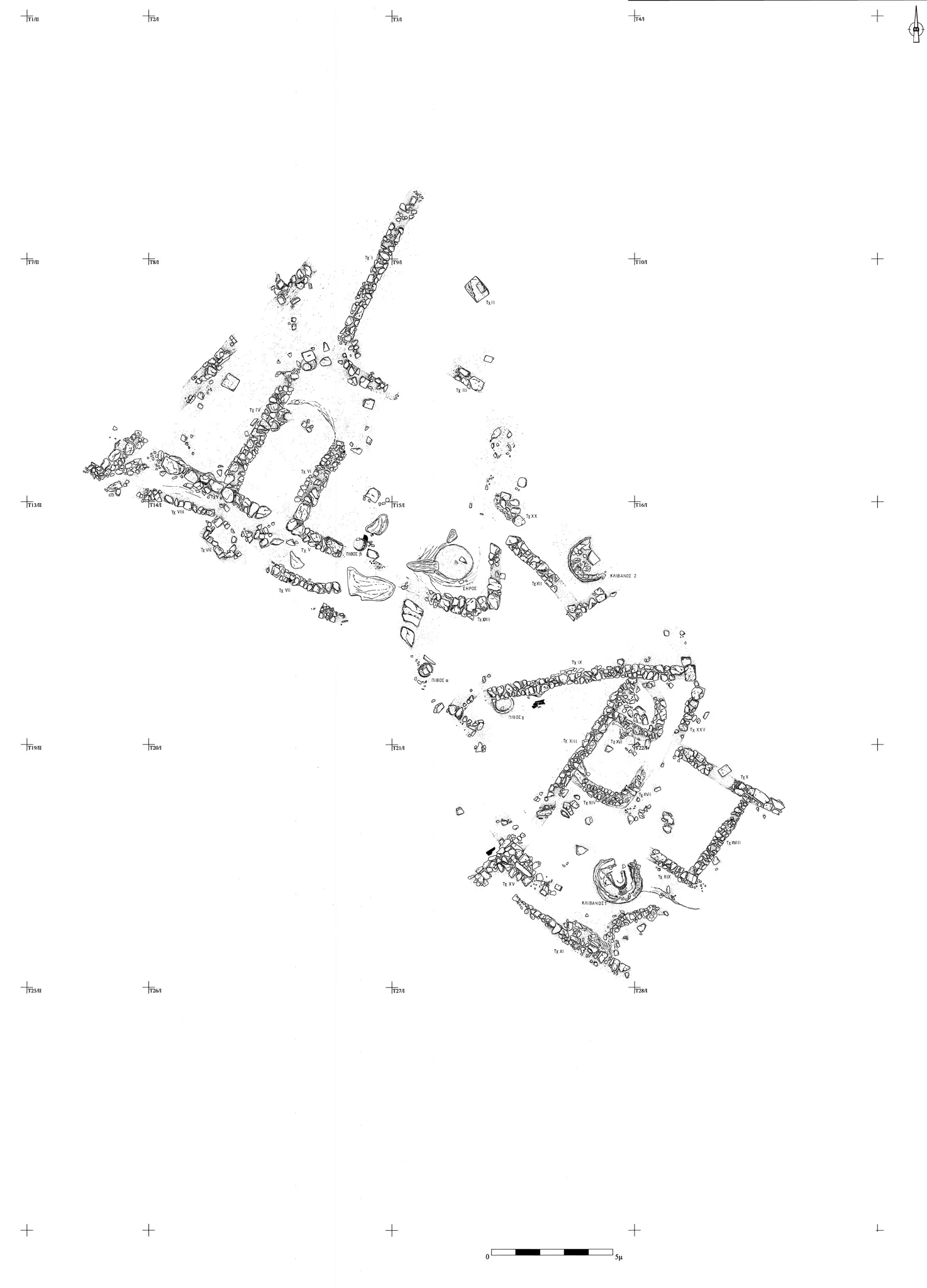
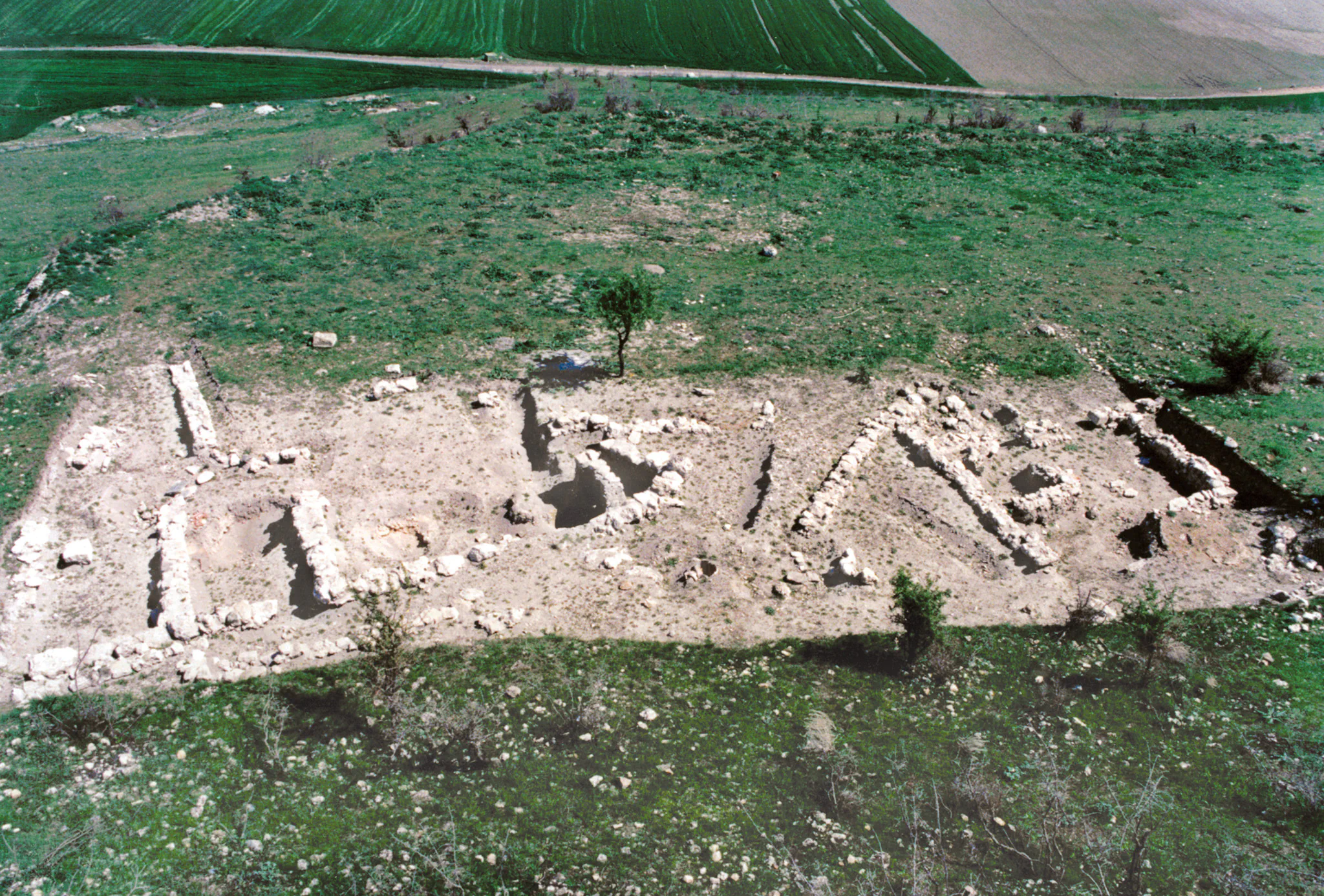
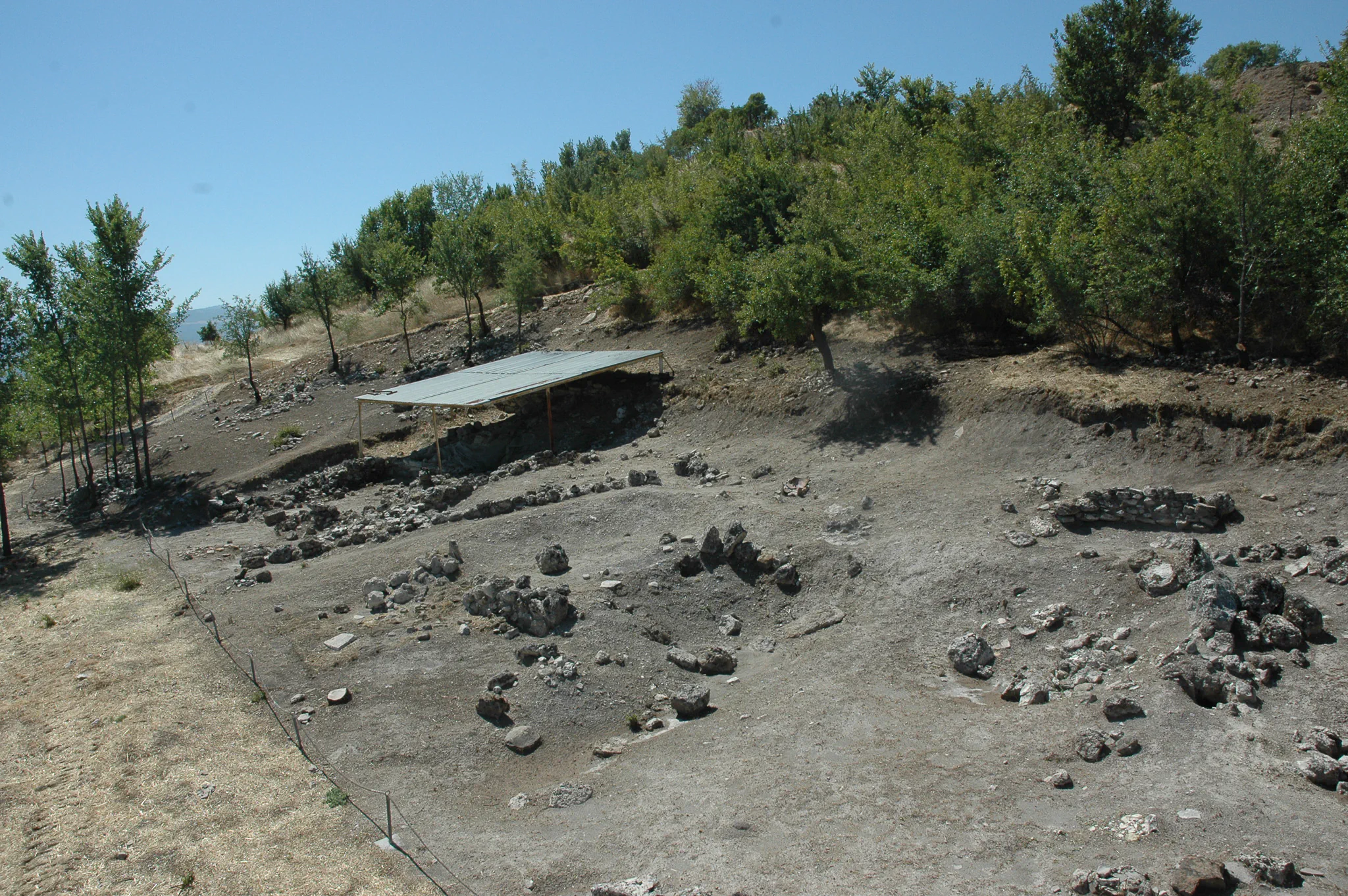
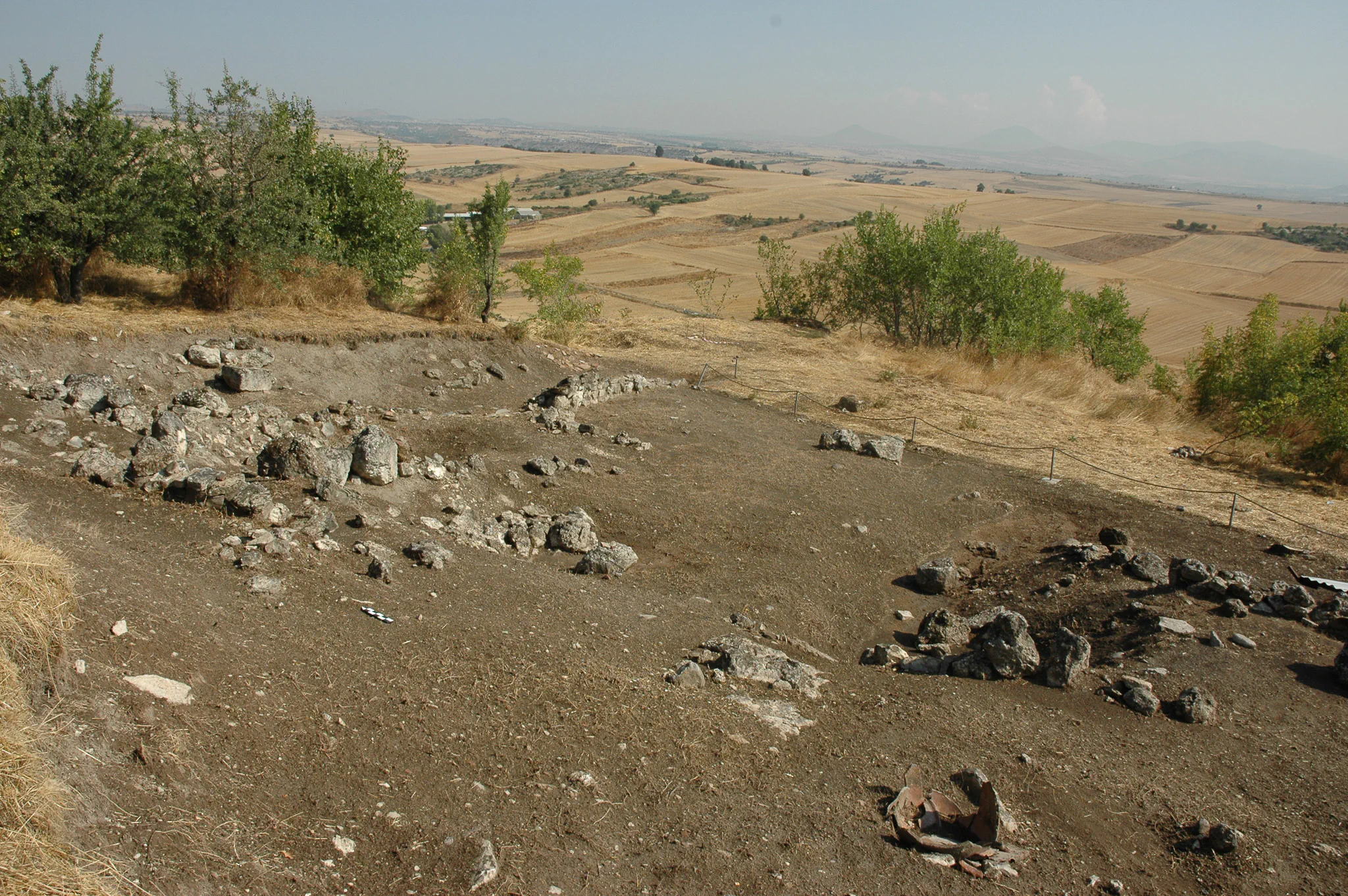
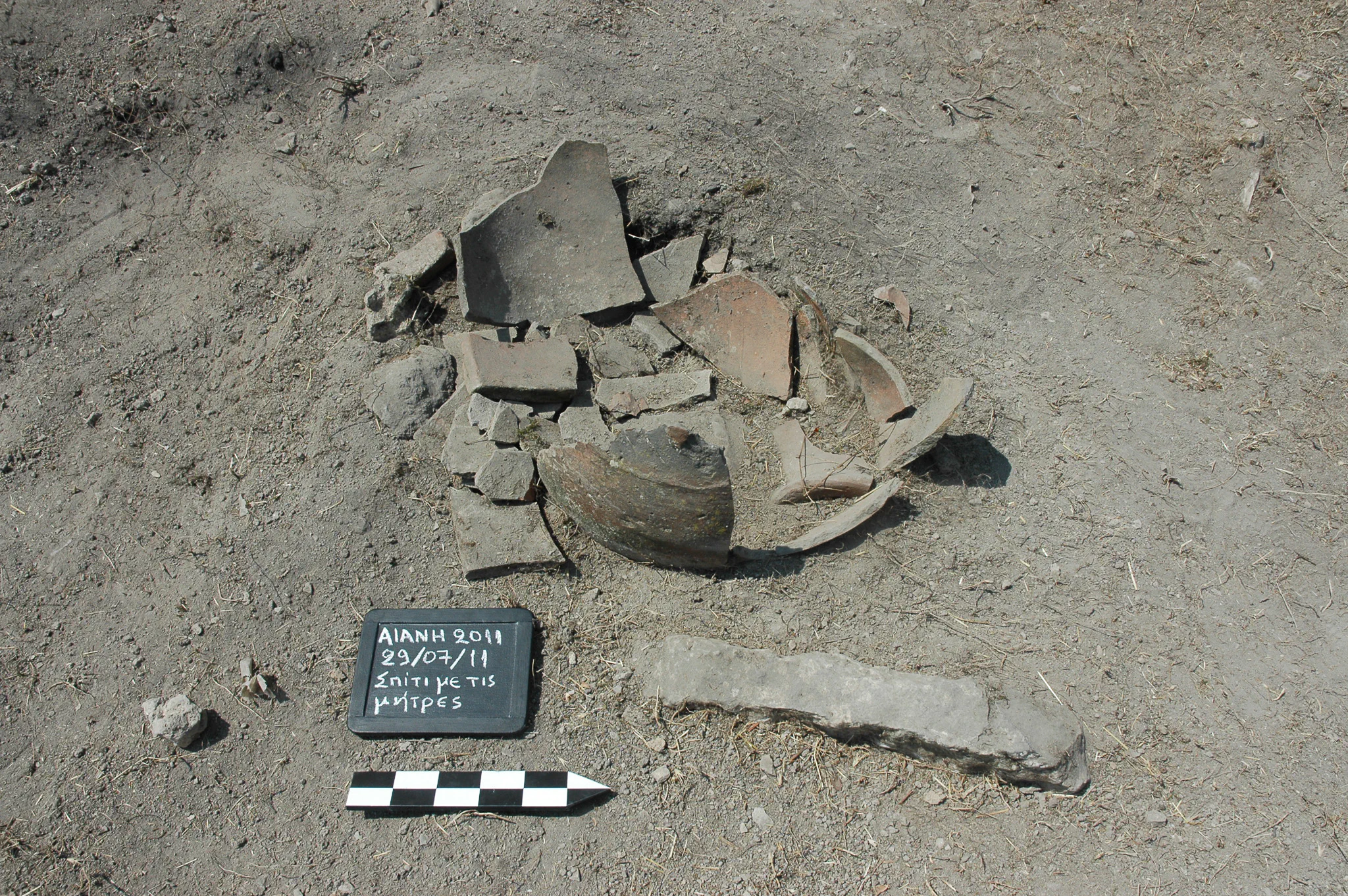
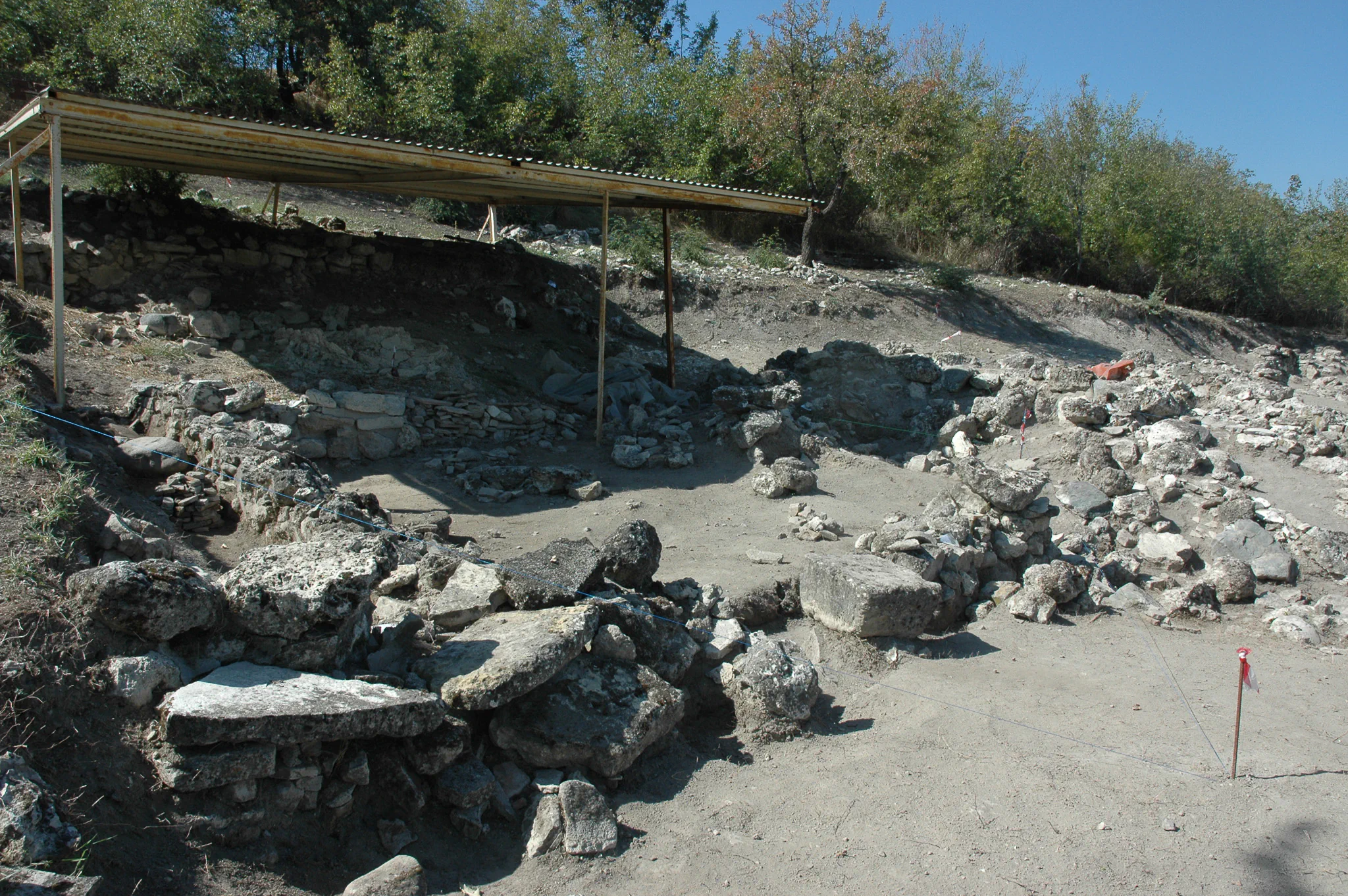
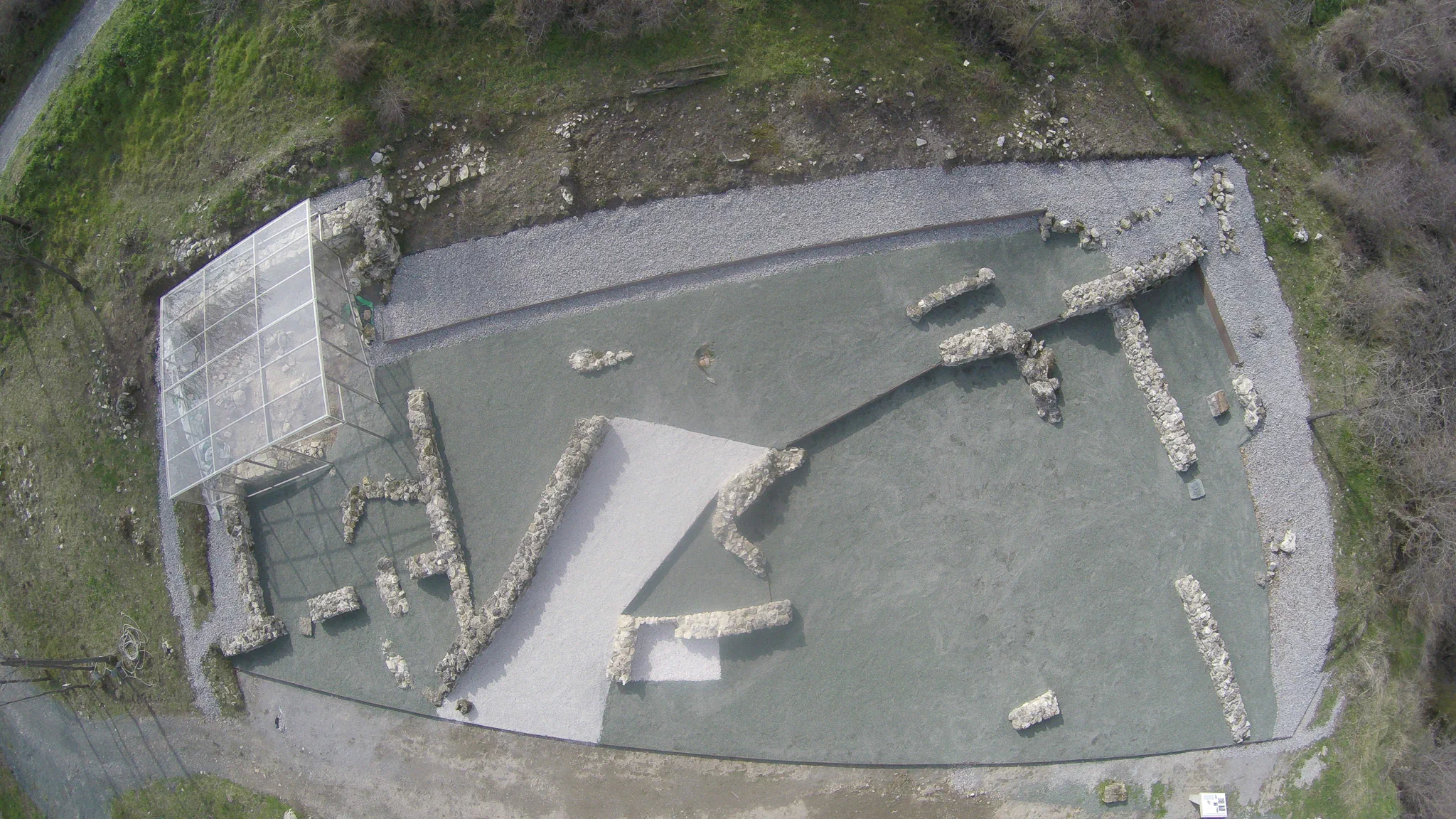
This area consists of sections of Hellenistic-period dwellings, belonging to successive construction phases. Among them, parts of a narrow road and two kilns for firing clay vessels and figurines were also uncovered.
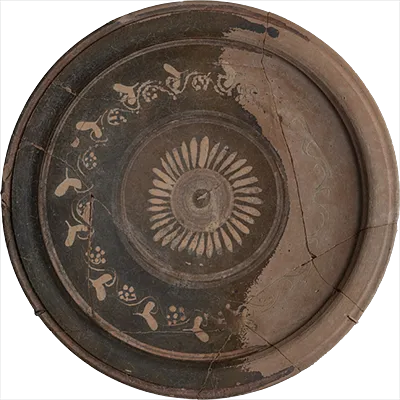
The sector owes its name to the large number of clay molds found within it, which were intended for the production of figurines. These findings suggest the presence of local workshops specializing in pottery and figurine-making. Evidence also indicates habitation in the same area during the Early Iron Age.
During the restoration work, the boundaries and foundations of the walls were investigated. In very few cases, their continuation beyond the already known sections was confirmed, while in the southeast rooms, the existence of openings was verified, some of which appear to correspond to entrances. It is certain that the buildings extended northwestward beyond the excavated area.